
News
IMF Warns Nigeria Against Petrol Subsidy Return, Recommends Targeted Relief for Vulnerable Citizens

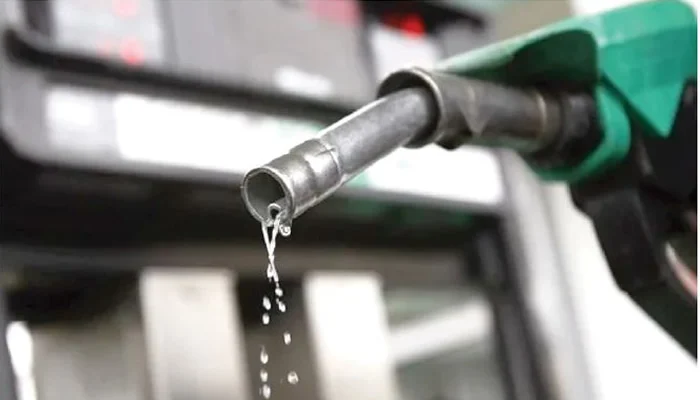
The International Monetary Fund (IMF) has advised the Nigerian government against restoring a blanket petrol subsidy, urging authorities to adopt targeted support measures to protect vulnerable citizens from rising fuel and transportation costs.
The IMF’s Director of Fiscal Affairs, Rodrigo Valdés, gave the advice on Wednesday while responding to questions about calls for the reintroduction of petrol subsidies in Nigeria ahead of the 2027 elections. The discussion took place during the IMF and World Bank Group annual meetings in Bangkok, Thailand.
Valdés acknowledged the political pressure governments face when fuel prices rise but warned that blanket subsidies impose significant financial costs on countries. He argued that governments would achieve better results by directing available resources towards households and individuals most affected by rising energy prices.
He noted that governments needed to explain to citizens that rising fuel prices were partly driven by global market conditions and that shielding all consumers from such increases could place an excessive burden on public finances.
According to him, allocating funds to support vulnerable groups would be a more effective approach than maintaining subsidies that benefit all fuel consumers regardless of their income levels.
Valdés further recommended targeted interventions to reduce the impact of rising fuel costs on public transportation, suggesting that governments could subsidise bus fares and other essential transport services rather than keeping petrol prices artificially low for everyone.
The IMF has consistently argued that broad-based fuel subsidies are expensive and often disproportionately benefit higher-income earners, who generally consume more fuel.
The recommendation comes amid renewed concerns over petrol prices in Nigeria following increases in global energy costs.
In response to the pressure, the Federal Government recently announced a 30-day petrol discount at Nigerian National Petroleum Company Limited (NNPC) retail outlets, prioritising public transportation operators to ease the burden on consumers.
Finance Minister Taiwo Oyedele said NNPC retail outlets would sell petrol at cost by foregoing their retail profit margins. He described the initiative as a temporary relief measure rather than a return to the previous petrol subsidy regime.
The government has also proposed negotiating a ceiling of ₦1,350 per litre on petrol’s ex-gantry or landing cost, subject to monthly reviews.
Valdés cautioned that fuel subsidies could aggravate global energy market pressures by discouraging consumers from adjusting their demand when supplies become limited.
He explained that when governments subsidise fuel prices, consumption may remain artificially high despite reductions in available supplies, forcing other consumers and markets to absorb greater price increases.
Meanwhile, Davide Furceri, a division chief in the IMF’s Fiscal Affairs Department, recommended that governments redirect funds from blanket subsidies towards targeted assistance for vulnerable households and public transport users.
Furceri also proposed interventions such as school feeding programmes, geographically targeted support and assistance for vulnerable farmers as possible ways to cushion the effects of rising energy costs.
He acknowledged that some countries lacked comprehensive household registries and digital payment systems needed to deliver targeted assistance effectively. However, he maintained that governments could adopt alternative delivery mechanisms while developing more reliable systems.
The IMF recommended that any relief measures introduced by governments should be limited, carefully targeted and temporary to protect vulnerable populations without placing unnecessary pressure on public finances.


BREAKING: Senator Saliu Mustapha Bags Bachelor’s Degree from UK University

2027: Kwara Central CAN Pledges Support for Saliu Mustapha’s Re-election Bid

Kwara Okada Riders Declare Support for Saliu Mustapha’s Re-election Bid

2027: Senator Mustapha Tasks Supporters on Grassroots Campaign

2027: You Will Continue to Prosper, Emir of Ilorin Tells Saliu Mustapha

Political Shake-Up in Ilorin South as Hundreds of Saliu Mustapha Supporters Dump APC for PDP

Court of Appeal Dismisses Kwara Government’s Criminal Defamation Case Against Bukola Saraki
